Just like abortion, there is a problem with rape in this country. And this is a spiderweb with lots of rays coming off of it. Reporting it, cops that do nothing about it, the emotional aftereffects of the victim, of the accused, worries (unfounded) about false accusations, post-rape interaction with the victim, how doctors and judges and other people treat you, etc. But I think the biggest problem is that the definition of rape hasn’t been established.

You’d think it’d be basic, but it’s not. Terms like “penetration without consent” and “force” and “deceit or seduction” can get shapeless when you pick them apart (as you do in court trials) and don’t even always address sexual assault. Evidence is hard to get because there are often no witnesses, lack of physical evidence, collecting DNA is invasive, and the defense always brings up irrelevant material like “what was she wearing?” “what was her sexual history?” “did she say the word ‘no’?”
One of the difficulties is that we think rape is absolute. Either the person was raped or the person wasn’t. There’s no in-between. We believe there is a point in time when the victim did not or revoked previously given consent to the sex. A “pre-rape” time and a “post-rape” time. Like being mugged or breaking and entering. We like absolutes. They’re easy to point to. But when it comes to sex, as science and sociology is finding out, it’s all kind of a fuzzy pink cloud. Not just who one is a attracted to or the kinds of attractions, but what takes place during the process of sex.
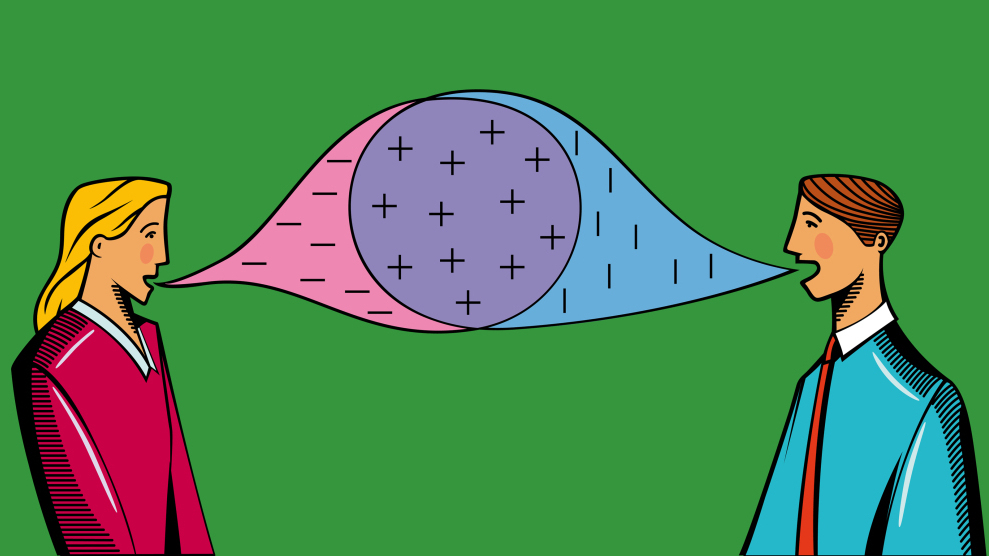
When it comes to men’s side of the rape issue, you usually hear “there are extremely few cases of false or unfounded rape accusations” are afraid of being falsely accused of rape, you think, “almost no women give false accusations.” but that’s not it. What we’re afraid of is situations where the consent is ambiguous and having it called rape later. 20% of the time, women are not sure if they’ve been raped or not. These are stupid things to be scared of but, nonetheless, nobody wants to be blamed for something they didn’t do or didn’t know about. And this all has to do with the lack of clear definition.
Consider the following. These are real scenarios that happened at a college. (I got them from a podcast, but I can’t remember which one now. This American Life? RadioLab?):
- A boy and a girl are in his room after a party. They touched private parts. There was vaginal penetration. Both agree that he asked for and got affirmative consent. (In the form of “Do you like this?” and responding “yes”.) She faked her orgasm. Later, she said, “I didn’t mean it. I said I was enjoying it to make it end faster. I wanted to leave his room and I thought faking an orgasm would get me out of there gracefully.”
- The male is a big black football player guy with muscles. The fact that he and the girl were in his dorm room together to have sex is undisputed. They took off all their clothes. She touched his genitals and performed oral sex. She said she did that because she was fearful because they were both naked. The situation was so overwhelming that she had to touch him and use her mouth on him. The school decided that the only thing that had gone wrong was that there wasn’t a verbal confirmation. The act of her touching you and placing his penis in her mouth when not speaking is not conveyance of consent.
- A woman starts crying in the middle of sex. Both agree this is a retraction of consent. The issue is how many seconds passed before sex stopped. He says, “I stopped as soon as I saw her crying.” She says, “After I started crying, it was 25 or so seconds before he stopped.”
As you can see, there’s a spectrum between a clear “NO STOP” and “you have to read my mind”.
Side note: It would be great if we could implement some kind of “enthusiastic consent” law, where it’s not a matter of if the victim said “no”, but if they said “yes”. But that would be hard to make into law. We’ll have to adopt it as a cultural norm first. But that’s a story for another time.
So what’s the solution? My proposal is that we establish levels (or “ranks” or “intensities”) of rape, with different punishments depending on the severity. I’m not talking about already established “sexual assault” laws that already have different degrees and are different in every state (that’s not helping). I’m talking about redefining first degree stuff when someone put their body part into another person’s body part. When there’s ambiguity or unreasonable misinterpretation in the communication given and received.
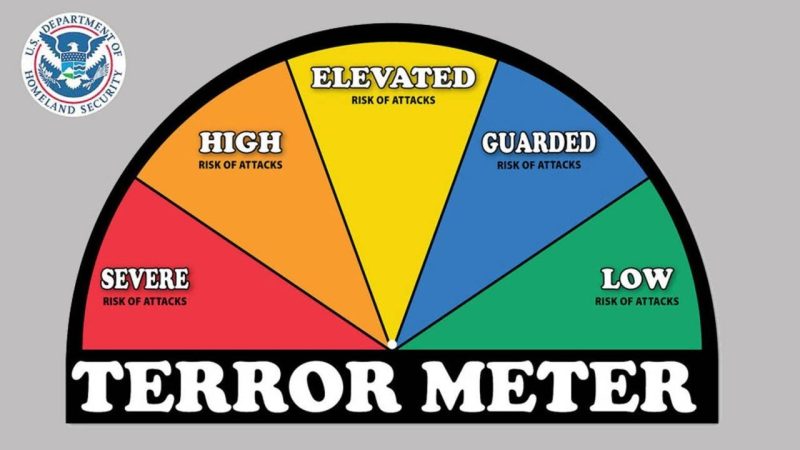
We need to stop asking “was it rape?” and more about the damage or “evilness” that was perpetrated. We need to give some criteria, like “was the word no or some other negative used?”, “how far did it get?” and “how forceful was the attacker/what kind of force?”. So there are degrees, you know? Like the colored terror alert system. Mild, medium, and spicy.
Make no mistake, I’m not saying less severe = a free pass. They’re all going to be categorized as rape. There will be punishment. This is for times when we know something needs to be done about it. It’s up to the judge to decide what the retribution should be, based on how it all went down.
What I’m hoping is this encourages more women to report their experiences, if there’s more of a spectrum rather than a binary. And also so judges are not discouraged from handing out punishments (e.g., Brock Turner). They might be more willing to find the defendant guilty if they had more options for how to deal with it.

Keep in mind, this is all just a suggestion. I could be talking out of my ass. I am not the target demographic for this subject matter. I just had an idea and wanted to put it out there. Run with it, change it, make it into something else, what-have-you. That’s fine.
But understand–we can’t have everything we want right away. Not for something with such diametric sides as this. Men have nothing to gain and only things to possibly lose from this kind of legislation and they have all the power. That’s not right, but it’s the hand that’s been dealt, so it’s the one that has to be played. Better an imperfect solution now than a perfect one that never comes. If we step forward a little, and they step forward a little, maybe progress can be made.