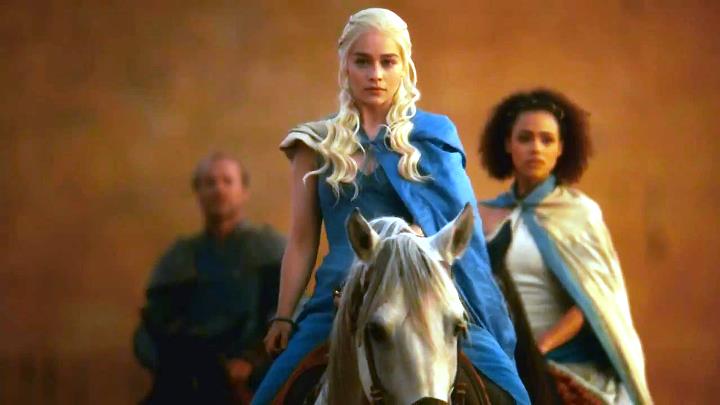
Or at least we need to change what it means. I think the trip-up is on the word strong. We say strong and we think this:

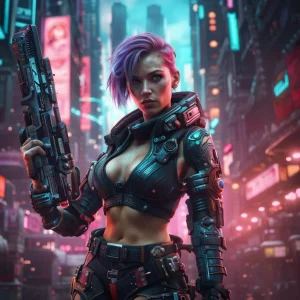
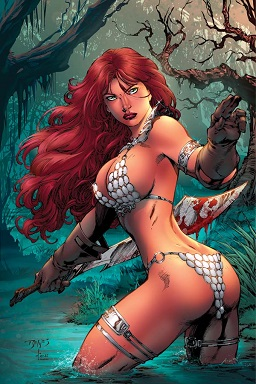
We keep equating “strong” with “powerful”. Which is fine… ish. Women with atypical powers or abilities is good, in the same way that men with atypical powers or abilities is good. But the women above, even though they are powerful, still exist in service/subordination of men. Batman and Superman and Iron Man and the like are power fantasies. Black Widow and Catwoman and Black Cat are sex fantasies. They are intended to appeal to men and men only.
When we say “powerful” female antagonists, we need to stop thinking of superpowers or combat skill. Powerful means “having agency”. It means being competent. It means they make their own choices because they want to, not because they’re helping someone else.
How they get that agency is the difference between a bad character like MCU She-Hulk and Vi from Arcane. Rey vs. Mulan (animated). Katniss vs. Velma (2023). Captain Marvel vs. Leia. Mulan (live-action remake) vs. Toph or Korra.
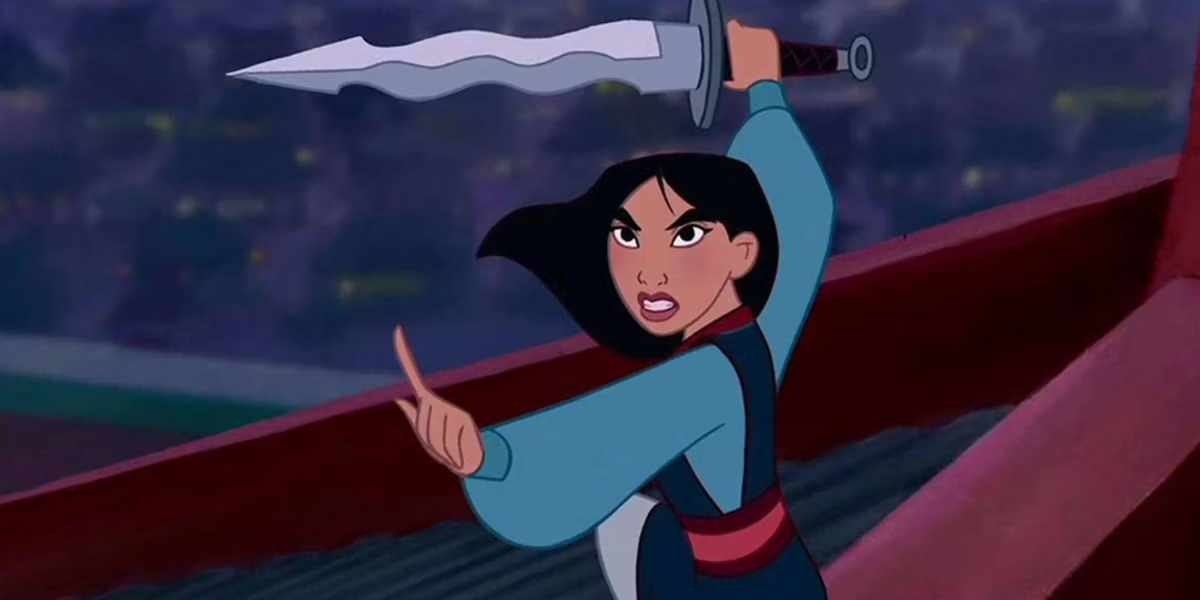
Mulan (animated) earns her powers/abilities, she’s not born with them. There’s a struggle. There are obstacles to her goal. There’s a try-fail cycle. We celebrate heroes for the journey, not the destination. Even if a character gets their powers by accident, there is still going to be a period of “growing pains” as they adjust (e.g., Ms. Marvel, Spider-Man).

Ripley didn’t take the Alien head-on with brute strength. She let the spaceship do the work by blasting it out the airlock. And she was scared the whole time. Then in Aliens, she’s more prepared and uses tools like a flamethrower and a power-loader. She’s not afraid to fight anymore. Character development.
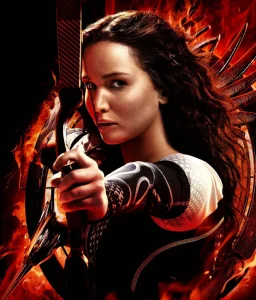
Katniss was a victim as much as a hero. Everybody tries to manipulate her to further their own agenda, including allies. They used her as a tool to disarm the Capitol, to lead a rebellion, to garner public sympathy, to be a media figurehead.
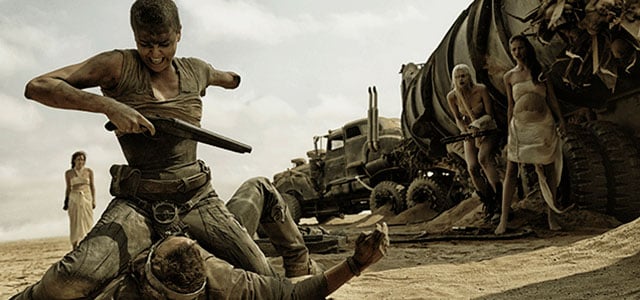
Furiosa isn’t cool because she can hold her own in a fight with a man, despite only having one arm. It’s because she takes a stand against a cruel dictator with a plan and then action (smuggling the wives out in her gas truck).

Even really feminine characters can have agency. We don’t love Elsa because she has powers. We love her because she defied the expected “societal” norms, defied her fear of being shunned, and embraced what made her unique. True, she used them for selfish purposes as first (building her own castle). That’s not unexpected–she’s been living for the wishes of others all this time. But when those decisions damage others, she sees the error of her ways and tries to rectify things.
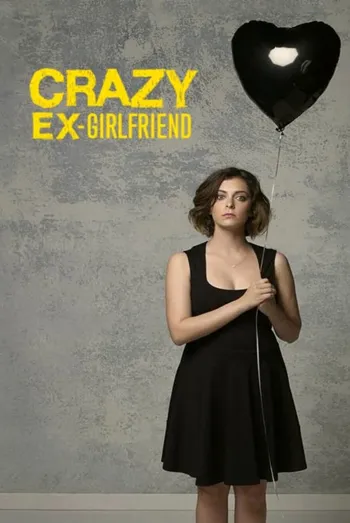
You don’t even need to be an action star, if you’re a woman of action. Even characters like Rachel Bunch from My Crazy Ex-Girlfriend fit the bill. All she wants is to make Josh Chan her boyfriend. She actively goes after him, gets set back, and tries again. Joy from Inside Out is always on task to keep Riley happy, even if that may not always be the best thing for her.
You see? Flaws, agency, journey, hero.
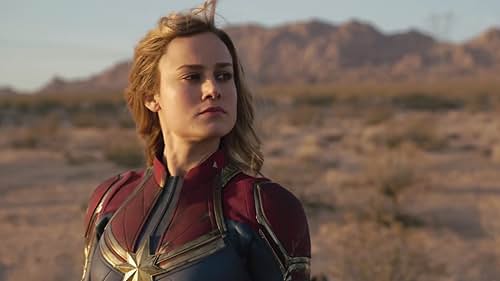
Time for a counterexample. Captain Marvel’s story is so literally about taking “female empowerment” that it smacks you across the face with it. It makes her abrasive, arrogant, and unlikable. It uses ham-handed scenes like the greasy biker pulling down her newspaper and saying “how about a smile”. No one does that. That scene only exists to set up a thin allegory of patriarchy. Forcing mistreatment is not the same as character growth. It’s not a way to get us to like the main character. All you’re doing is making everyone around her incompetent so that she can shine. That’s not how you show power.
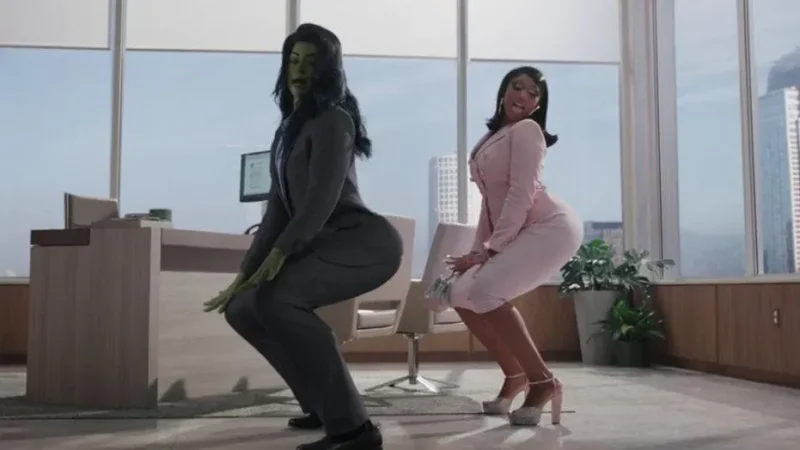
Jennifer Walters can use her Hulk powers out of the gate without much training. In the comics, this is because her powers are tempered because she wasn’t exposed to gamma radiation from a violent bomb blast. But in the MCU, it’s because she’s used to being angry all the time because she’s a woman in a man’s world. This could be a good idea, but it’s never explored in any other episode.
And despite now being a strong woman, she caves in when told to stay in She-Hulk form for work (which would be illegal). Only She-Hulk can date men who aren’t creeps and losers. (Come on. She’s Tatiana Maslany, for chrissakes.) I mean, a “Sex in the City” She-Hulk could be awesome, but they write it so poorly, full of clichés and stereotypes. Instead of earning respect as both a woman superhero who’s not a sex object (like Black Widow or Gamora), you get her twerking with Megan Thee Stallion. That’s not female empowerment, that’s cheesecake.
Bad writing happens when characters do not talk like people talk. Forcing conflict where none would reasonably exist. Doing things no one expects or isn’t in-character for them (e.g., Hux being revealed as “the spy” in Star Wars IX: The Rise of Skywalker). It’s when characters act illogically or stupidly for the sake of getting the plot where it needs to go or communicating a message it wants to preach.
Do not make a strong female protagonist. Make a character. Being female would be an aspect of her character, but it’s not her archetype.