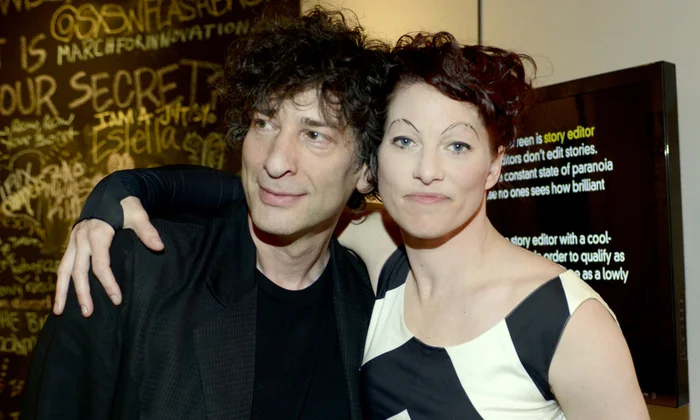
So for the first time in years, Neil Gaiman broke his silence since the reports came out about him being a creep. Another independent journalist did a counter report bringing evidence that 6 women’s accusations were disingenuous and were only to gain money. That it was bad journalism, all rooted in a single report with dubious sources, biases, and undisclosed connections to the parties of interest. It’s a pretty complete report, and there does seem to be merit behind the arguments.
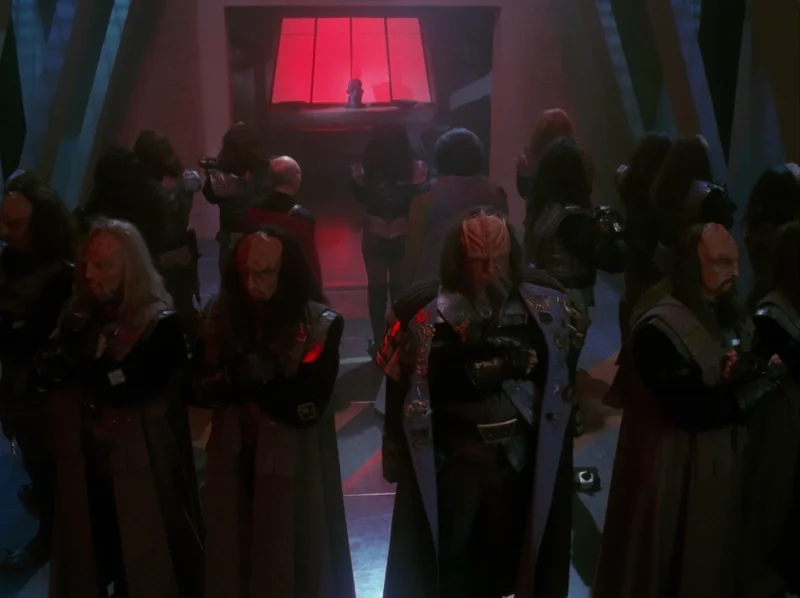
The commenters on the Reddits and Facebooks, however, are having none of it. They’re calling it the same bad journalism as before, which doesn’t disprove anything. They are violently responding by crossing their arms and turning away like they’re discommending a Klingon.
This kind of thing doesn’t exist in a vacuum. The saying goes, when a woman tells you they’ve been assaulted, believe them. Don’t be one of those people who think 18 women are lying about Bill Cosby without one of them coming clean.
And I don’t know what to believe anymore.
My question is: why is this not getting better press? Why are junior podcasters and Substack writers doing this journalism instead of actual press agents? Good journalism isn’t about letting both sides have a say. A good journalist is supposed to look outside and tell you if it’s raining or not. But no one’s doing that. Do they not care? I suppose Neil Gaiman isn’t big enough to get views in today’s world. Who cares about some niche fantasy author who looks like Robert Smith’s ugly brother?
And what have I decided to feel? I just don’t care anymore. For one thing, I just don’t like his books/writing that much. I couldn’t admit it to myself then, but I can now. Neil Gaiman was a role model when I was first starting to become a capital A author. He had just written American Gods, he was on the Internet with a blog, he was well-liked and had much to say about the craft of writing. But he leaves too much open-ended and fuzzy. Nebulous, non-concrete, ambiguous. Like the ending of The Ocean at the End of the Lane doesn’t clarify how the protagonist escaped or what Lettie did to stop that bad guy or what happens now with her, what their connection to the three fates/three witches/three furies/three hecate sisters is. I’ve never really liked stories that have that “fae” vibe because they’re about magic that doesn’t have rules. Maybe it’s my concrete software engineering mind, but I can’t buy it when suddenlyt there’s convenient “hunger birds”.
The other thing is the people he associates with tend to be assholes too. Or at least quirky on the side of assholishness. Alan Moore is famous for being a cranky old man who looks like an evil wizard. Amanda Palmer is one of those “avant garde” artists who begs for money on kickstarter, but then doesn’t tell you where the money’s going. Not to mention that when Neil Gaiman was married to his first wife, Amanda Palmer was nine. Harlan Ellison is the Lenny Bruce of science fiction. Tori Amos is a nutjob. Todd MacFarlane’s an egomaniacal edgelord. These are not people I should be trying to emulate. And whether or not Neil Gaiman is a good guy, it looks like his past is full of weird stuff that I don’t particularly want to associate with. You are the company you keep.