One thing I’ve been thinking about as I’ve been analyzing villains, Disney and Marvel. Something I’ve noticed as I’ve watched them evolve.
Starting at about 1990, America no longer has an “external other” to hate or villainize in terms of a mass group. Prior to the sixties, Westerns had Indians. War movies had Nazis. Between that and the eighties, we had serial killers and clinical psychopaths. Then we got Soviets and communists.
But after 1990, there’s nothing like that anymore. Political correctness gathers more momentum. After the Vietnam War, we’re become savvy about propaganda. We know that it’s meant to dehumanize the enemy. We know the toll war takes on people. All those threats, either the attitude has softened/reformed or their teeth have been removed. A generation awakened. There’s no more Teenage Mutant Ninja Turtles vs. Shredder. No He-Man vs. Skeletor. No one is evil for the sake of being evil.
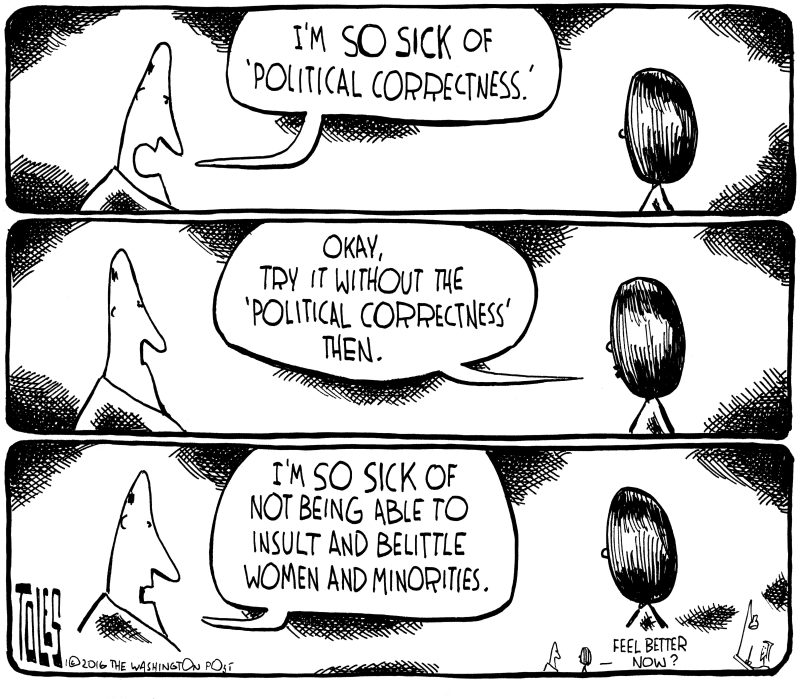
Which is the right move, because the truth is no one ever thinks they are evil. Everyone is the hero of their own story. Everyone thinks their way is the right way. The people you’re fighting and killing are people too. Shredder had a mom. Gargamel had a cat. The T-Rex that killed Littlefoot’s mom was just trying to eat. So what do you do when it’s not “good vs. evil” but “us vs. them”.
You make the villains the same as the heroes.
Who is the villain in each Iron Man movie? A corporate executive at a big American tech company. Who is The Incredible Hulk, a massive unpredictable destructor, always fighting? The U.S. military. Thor’s antagonist is his own brother.
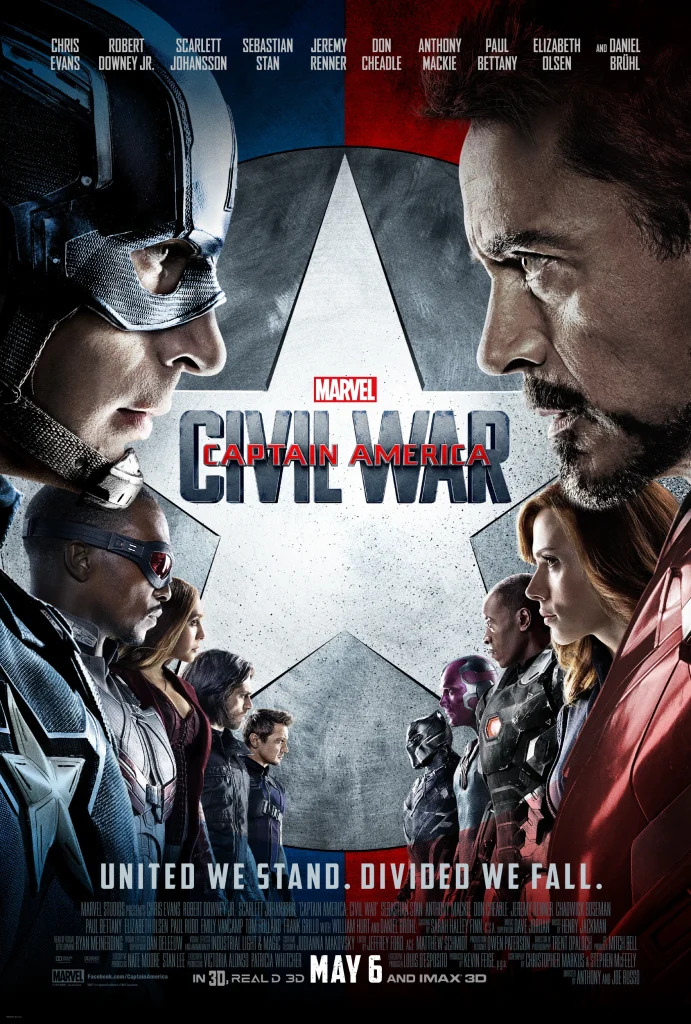
Captain America fights a boatload of Nazis in his first film, but also gets in scuffles with his benefactors. In the second, he’s up against his best friend. Plus the villain from the first movie is now indiscernibly mixed with the U.S. government. And in the third, the whole conceit is that it’s heroes fighting heroes. All Zemo’s doing is maneuvering them in place so they can do so.
Same thing happens in the “event movies”. In The Avengers, it’s Thor’s brother again but now with an army of faceless soldiers (seriously, could you draw a Chitauri if you had to?). Meanwhile, Nick Fury butts heads with the “World Security Council” (the one that wants to nuke New York)–a shady intelligence agency much like S.H.I.E.L.D. And that’s when the heroes aren’t fighting amongst themselves. Avengers: Age of Ultron has a featured set piece where Iron Man fights Hulk. But the ultimate battle is against Tony Stark’s own creation, something he made while doing his own thing without the consult of the others.
No evil wizards here or battle-hungry generals. They are constantly defending our way of life from their own. The mindless expendables in these films are their own families, friends, and creations. Which is like the world today–every country is a potential trading partners. There are no enemies left to unify against, unless we fight each other.
Same thing happens with Disney. At about 2000 is when the antagonists stop being tangible beings. No more buff, square-jawed men with guns or smirking sorceresses. Brother Bear doesn’t even have a villain. Instead, they are minor obstacles, like Bolt’s The Agent and Frozen II‘s spirits. They get sympathetic. From Bowler Hat Guy in Meet the Robinsons to Abuela in Encanto, these are human enemies that don’t fight with armies and magic powers, but resentment and rejection.
Yokai and Dawn Bellwether, yeah, they’re selfish and manipulative, but you also understand why they want what they want. Many of them become friends in the end, like Namaari and Ralph. Even a terrible corny villain like Magnifico from Wish has reasonable reasons. He saw greed and corruption kill his village. Now he’s trying to stop the same thing from happening by going too far the other way. Villains are just doing the wrong thing for the right reason. Their motives are true and their heart is pure, but their extreme absolute methods are in question.
One of the greatest movies of all time created one of the greatest villains in the history of narrative works. One that shares the stage with Darth Vader, Hannibal Lecter, and various Nazi leaders. Nearly one hundred years later, the top-grossing movie is about that same villain, only it revises and revisits the story from her perspective. She’s not the villain, she’s misunderstood.
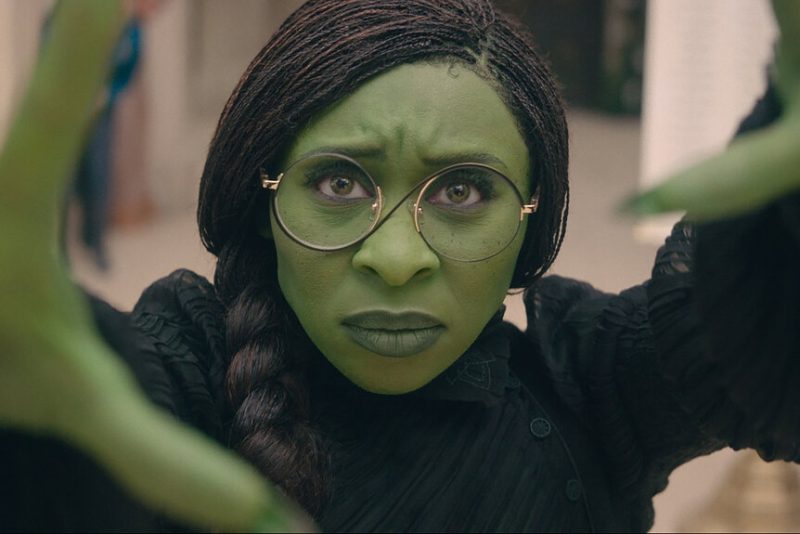
How times change.
In the real world, authoritarians use money to do and get what they want. Leaders promise to solve your problems, then don’t. Instead, they serve themselves or make more problems, all in the name of serving “the greater good”. And a significant portion of people, if not a clean half, pump their fists for these maneuvers. They want to be on a side. They want there to be bad guys so they can be good guys and fight them.
Hatred of the other strengthens the love for your country and neighbor. No one knows yet if it can stand on its own.
Our enemies aren’t coming from the outside anymore, they’re coming from within. The call is coming from inside the house. We have met the enemy, and they are us. The evil comes from the execution of the plan. No one thinks they are the bad guy when they say they have a plan to fix the world. But if your plan to help people means hurting others, that is a bad plan.
What happens when there are no dragons to defeat? When everyone’s your friend, when everything’s peaceful (i.e. not warlike), how can you make a universally-appealing antagonist? How do you make a compelling story when there is no one left to fight?




One Comment
Mzhang
Maybe the villains were always rubbing shoulders with you, and lying right to your face whilst smiling.